

A perfume bottle is more than a container for fragrance. It is the first physical expression of a scent, a meeting point between design, identity, craftsmanship, and emotion. Before a perfume reaches the skin, its bottle begins telling the story. Its shape, weight, materials, color, and smallest details can influence how we imagine the fragrance inside.
A beautiful perfume bottle does not simply hold a fragrance. It gives the fragrance a visual identity.
Designing a perfume bottle begins with understanding the character of the fragrance. A light and fresh composition may call for clean lines, transparent glass, and subtle details, while a rich oriental fragrance might inspire deeper colors, heavier materials, and a more sculptural silhouette. The bottle should feel like a natural extension of what is inside it.
The shape of the bottle is often the first element people notice. Proportions, curves, edges, and symmetry can create very different impressions. A minimal geometric form can communicate modernity and confidence, while softer curves may suggest elegance, femininity, or sensuality. Even a small change in proportion can completely transform the personality of a bottle.
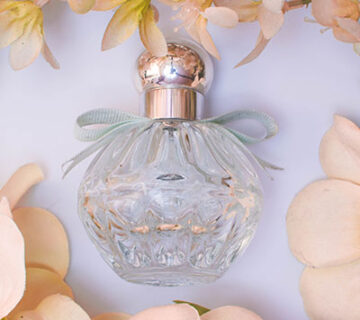
The most memorable bottles are designed to be recognized even before the name is read. Materials play an equally important role. Glass remains one of the defining materials of perfume design because it allows the fragrance to be protected while giving the bottle its visual presence. Clear glass can reveal the color of the perfume, while frosted, colored, or textured glass can create a more mysterious and sophisticated character.
The cap is another opportunity to create distinction. It can become a visual signature through its weight, texture, finish, and proportions. Metal, wood, glass, and carefully finished synthetic materials can each communicate a different aesthetic. When the cap and bottle are designed as one composition, even a simple silhouette can feel remarkably refined.
Color should also be chosen with intention. Every color creates an expectation. Soft neutrals may suggest understated luxury, deep tones can evoke warmth and mystery, while lighter shades can communicate freshness and delicacy. The goal is not simply to make the bottle attractive, but to make its visual language consistent with the experience of the fragrance.
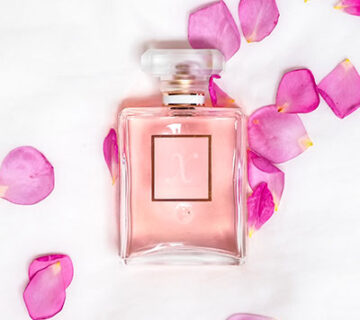
Typography and labeling complete the identity. The name of the perfume should remain clear while becoming part of the overall composition. A refined typeface, carefully positioned logo, and restrained use of information can create a sense of confidence. In luxury fragrance design, knowing what to leave out can be just as important as knowing what to include.
Finally, a successful perfume bottle must work beyond the design studio. It should feel comfortable in the hand, function reliably, protect the fragrance, and remain visually distinctive on a shelf. The finest designs balance beauty with usability, creating an object that people want to keep even after the fragrance has been enjoyed.
Designing a perfume bottle is therefore an exercise in storytelling. Every curve, surface, material, and detail contributes to the narrative. When all of these elements come together with purpose, the bottle becomes more than packaging—it becomes an object of desire, a symbol of identity, and a lasting visual memory of the scent it carries.

No comment